
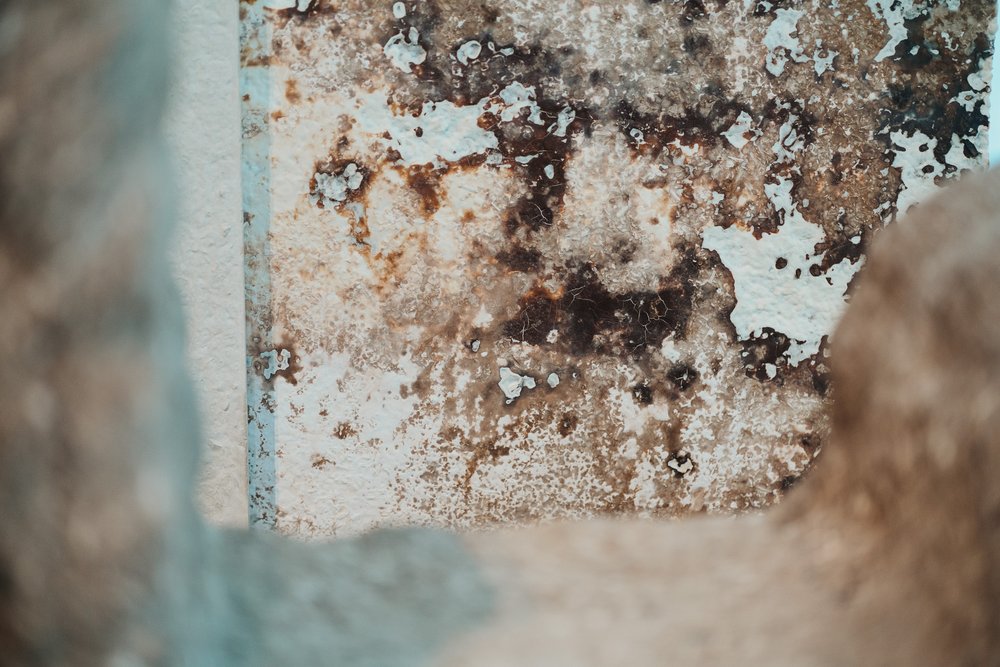
Mold Infestations in Homes and Buildings: A Serious Concern
Mold presence is a common occurrence in buildings and homes and should not be ignored. Mold thrives in areas abundant in moisture, shaping a risk to your living or working environment.
What Causes Mold In Buildings?
Mold growth is most frequent in places where there is ample moisture, such as around leaks in roofs, windows, or where there has been flooding. The moisture is absorbed by materials like paper, cardboard, ceiling tiles, etc., to create a conducive environment for mold growth. This issue is further exacerbated if the building is exposed to elements that bring in spores from outdoors.
Conditions Favoring Mold
Building materials such as dust, paints, wallpaper, insulation materials, drywall, carpet, fabric, and upholstery provide the nutrients molds need to grow. High humidity and poor ventilation often facilitate mold problems—especially in basements, bathrooms, and kitchens where damp conditions may persist.
Health Impact of Mold Exposure
Mold exposure may have severe health implications. Some people are naturally more sensitive to molds. Others, like those with allergies or asthma, may have more intense reactions due to molds. Occupational exposure to a significant amount of mold can cause severe reactions, including fever and shortness of breath.
Symptoms of Mold Exposure
Common signs of mold exposure include a stuffy nose, wheezing, and red or itchy eyes or skin. These reactions can escalate in case of significant mold exposure leading to severe health consequences. Although no blood test can specifically diagnose mold exposure, allergy testing can identify possible mold allergies.
The Importance of Mold Removal
It is essential to get rid of mold in homes and buildings as promptly as possible. This process often requires removing and replacing mold-infested materials like carpets or drywall. Professional mold removal services should be engaged in case of extensive infestations.
Mold Cleaning and Remediation Techniques
Mold on hard surfaces can be eliminated using commercial products, soap, and water, or a bleach solution. Also, areas vulnerable to moisture and wetness should be kept dry to avoid re-infestation of molds. However, in cases where molds are extensively spread, professional help should be sought.
Dealing With Mold-Infested Materials
Items that have soaked moisture and cannot be dried quickly, such as carpets and upholstery, should be replaced to prevent mold growth. After any flooding, the area should be dried out thoroughly and quickly to prevent mold growth.
Precautions When Cleaning Mold
While cleaning mold, it is vital to avoid mixing bleach with ammonia or other household cleaners. Make sure you set criteria for interpreting the cleaning process results if environmental sampling for molds is undertaken. Above all, the best practice is to maintain dry and well-ventilated conditions to avoid mold growth.
Toxic Molds and Health Risks
While all molds pose potential health risks, certain types are toxigenic, meaning they can produce toxins, thus intensifying the threat. Despite color or type, any mold should be removed for a safer living environment.
Unconfirmed Mold-Related Health Effects
While rare, reports exist linking toxigenic mold exposure to unique health conditions such as pulmonary hemorrhage or memory loss. However, conclusive research is required to medically establish these links.
Orignal story posted at https://www.cdc.gov/mold/faqs.htm
Read more about this topic at
Is mold in your house a problem? What you need to know
What Are The Health Effects from Household Mold?


